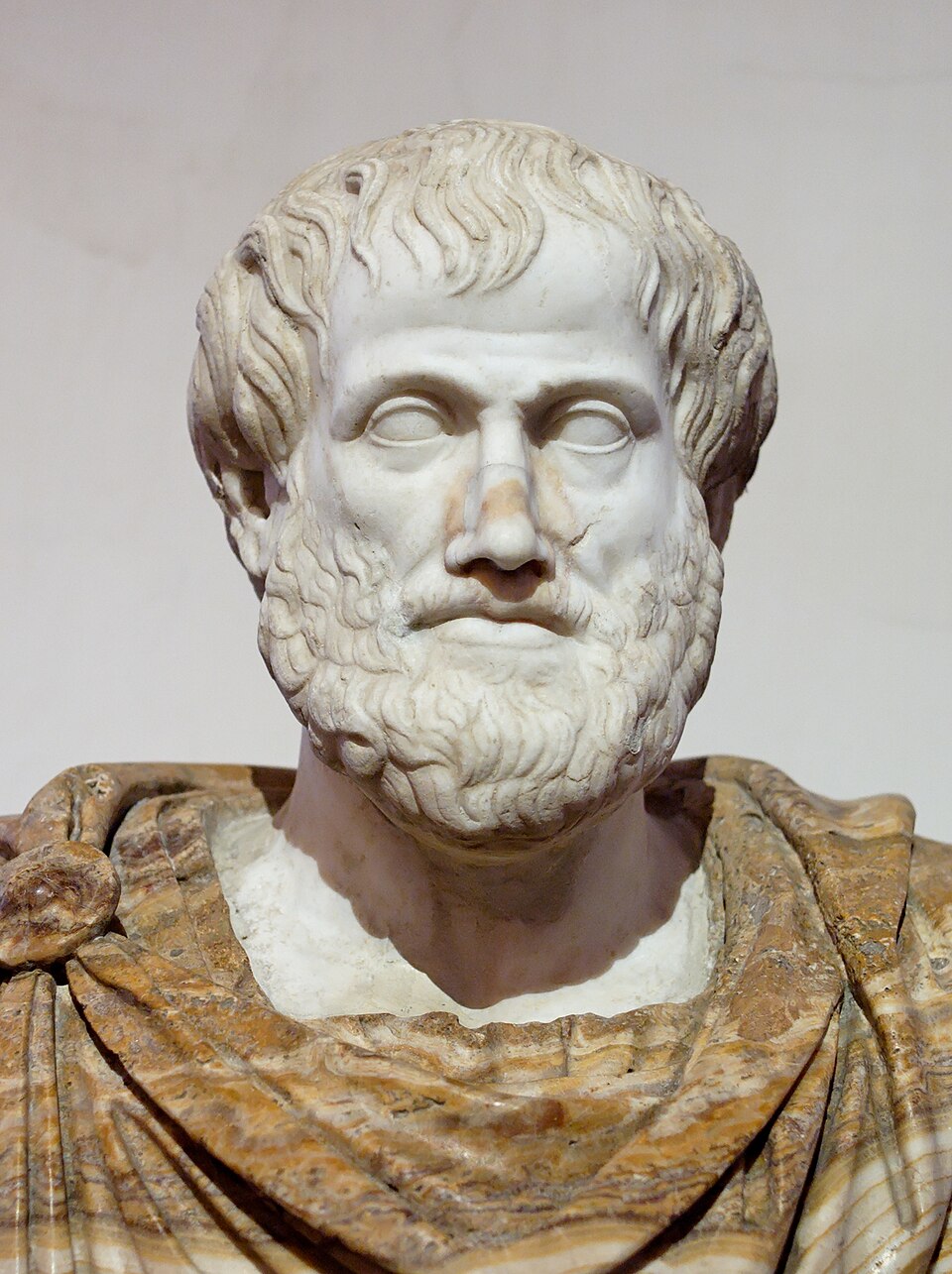
Aristotle
Founder of political science. Demanded the education of citizens into wise voters as a prerequisite for any functioning polis.
An international citizens' initiative
Since 1980, the world has been governed by politicians who were never trained for their task. BEST‑POLITIC.ORG asks seven simple questions — and provides the answers that schools, media and academia fail to deliver.
Why now
No one would board an aircraft flown by an untrained pilot. No one would let an amateur perform surgery. Yet in politics — the most hyper-complex discipline — laypeople have always called the shots.
We see the consequences daily: climate crisis, looming nuclear war, ozone loss, widening inequality, and a politics that fights symptoms instead of understanding causes. The problem is not the worker, not the farmer — the problem is pseudo-intellectuals who never learned what responsibility on a global scale means.
"99.9999% of supposedly highly-educated Western citizens refuse to acknowledge these serious facts." — Dr. J. B. Koeppl
The seven questions
In a few hours — through the most compelling quiz questions — at perhaps the most important school in the world.
Climate tipping points, resource wars, demographic shifts — the data exists. Who is reading it?
Politics is never abstract. Every global decision reaches us at the breakfast table, at work, at home.
Asked honestly. Without diplomatic phrases. With a look at verifiable track records.
Education, humility, historical knowledge, economic insight, scientific literacy — the list is concrete and measurable.
There are seven precise levers. They cost neither money nor years. Only attention.
From how you vote to the conversation at dinner. Concrete. Applicable. Today.
Yes. Better politics is not altruism — it is the insurance policy for your own future.
The answers — at perhaps the most important school in the world:
POLITIC‑UNI.COMOur role models
Four figures who show what statesmanship can be — across two and a half thousand years.
Founder of political science. Demanded the education of citizens into wise voters as a prerequisite for any functioning polis.
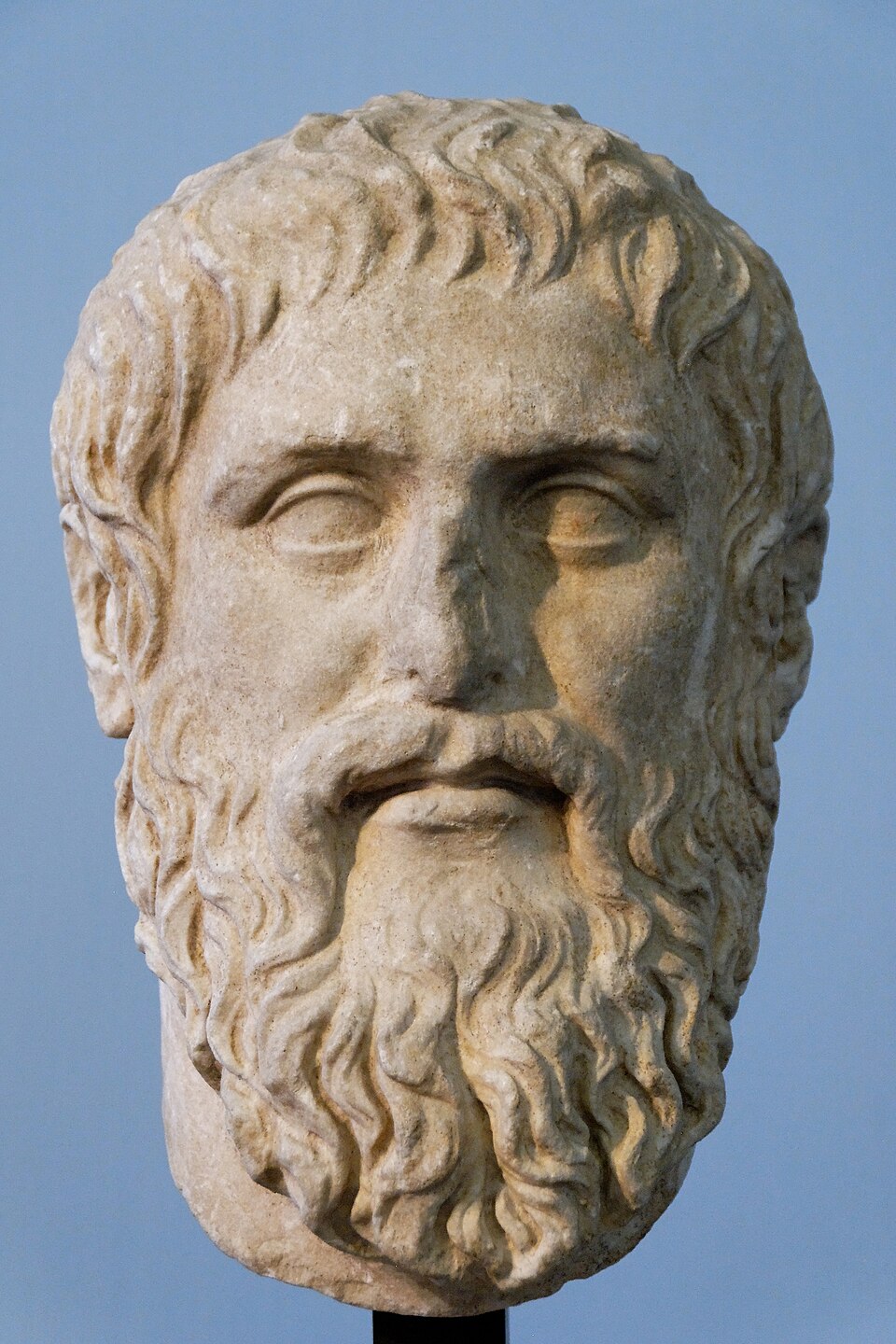
"The Republic" — the first systematic blueprint of a state in which the knowing govern, and power without education is recognised as catastrophe.
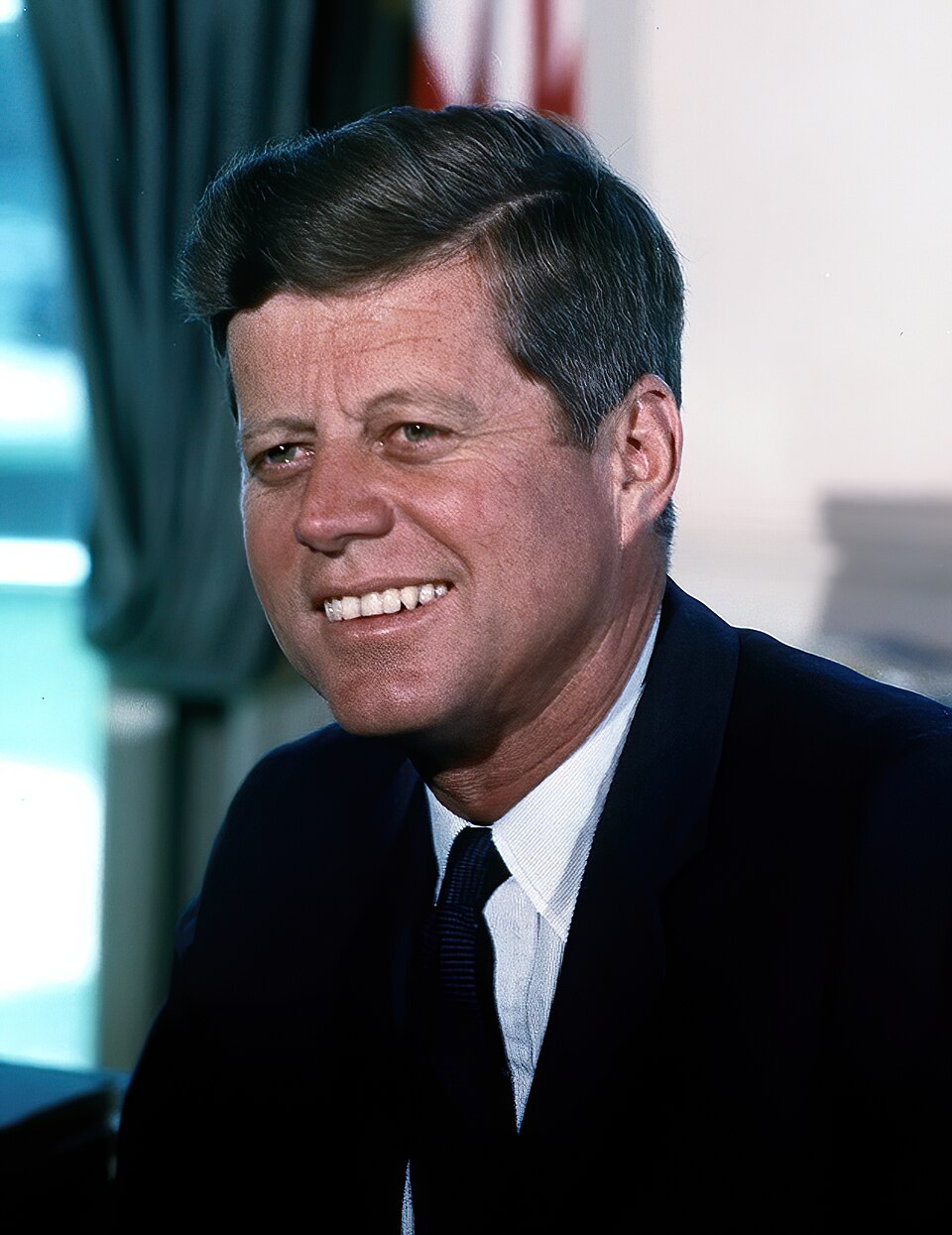
"Ask not what your country can do for you." Perhaps the last Western statesman who understood political responsibility as an intellectual discipline.
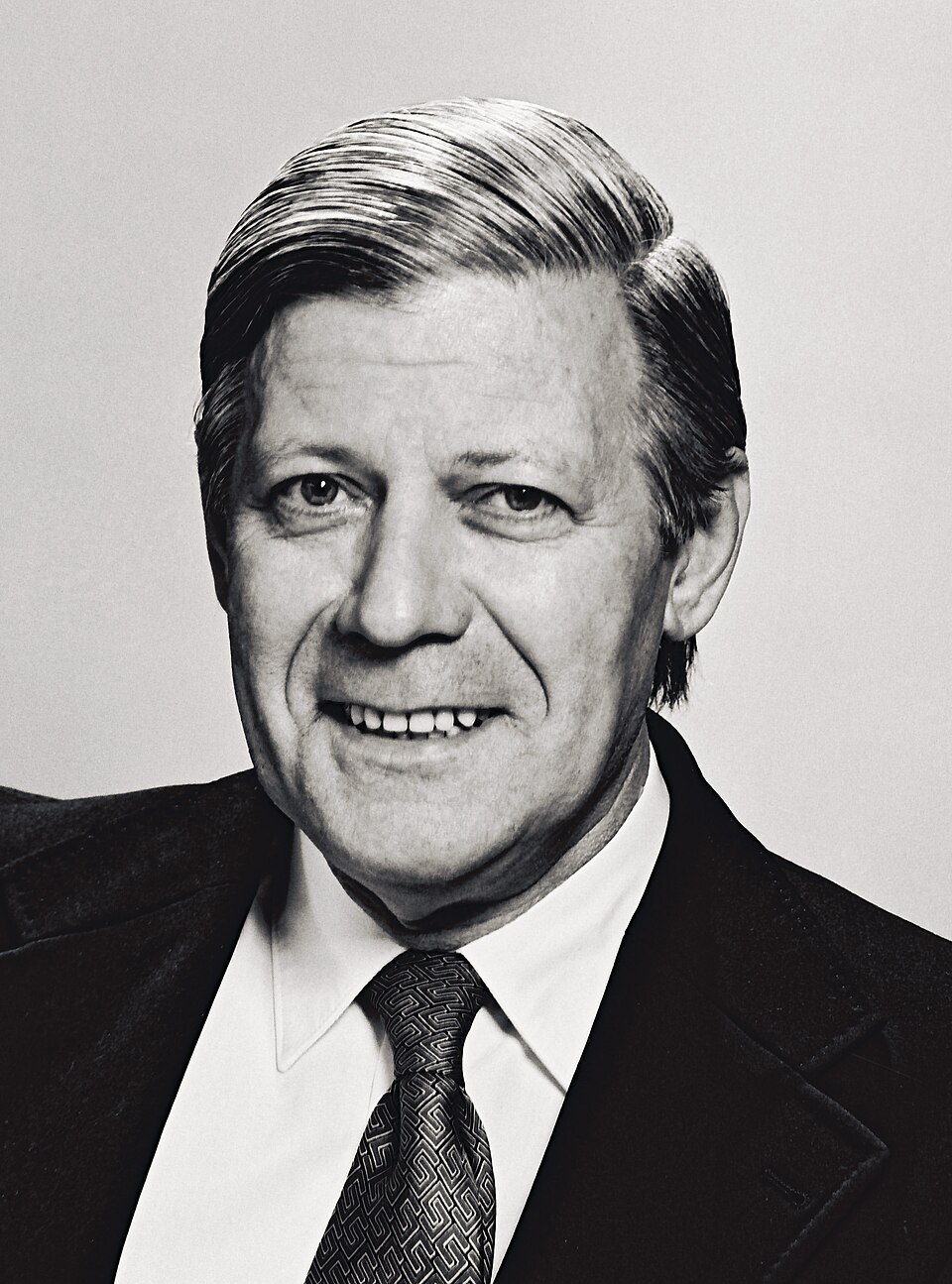
German Chancellor, economist. Said clearly in 2009 on German national television what is hardly said today — about the duty to qualify professionally for political office.
Behind the initiative
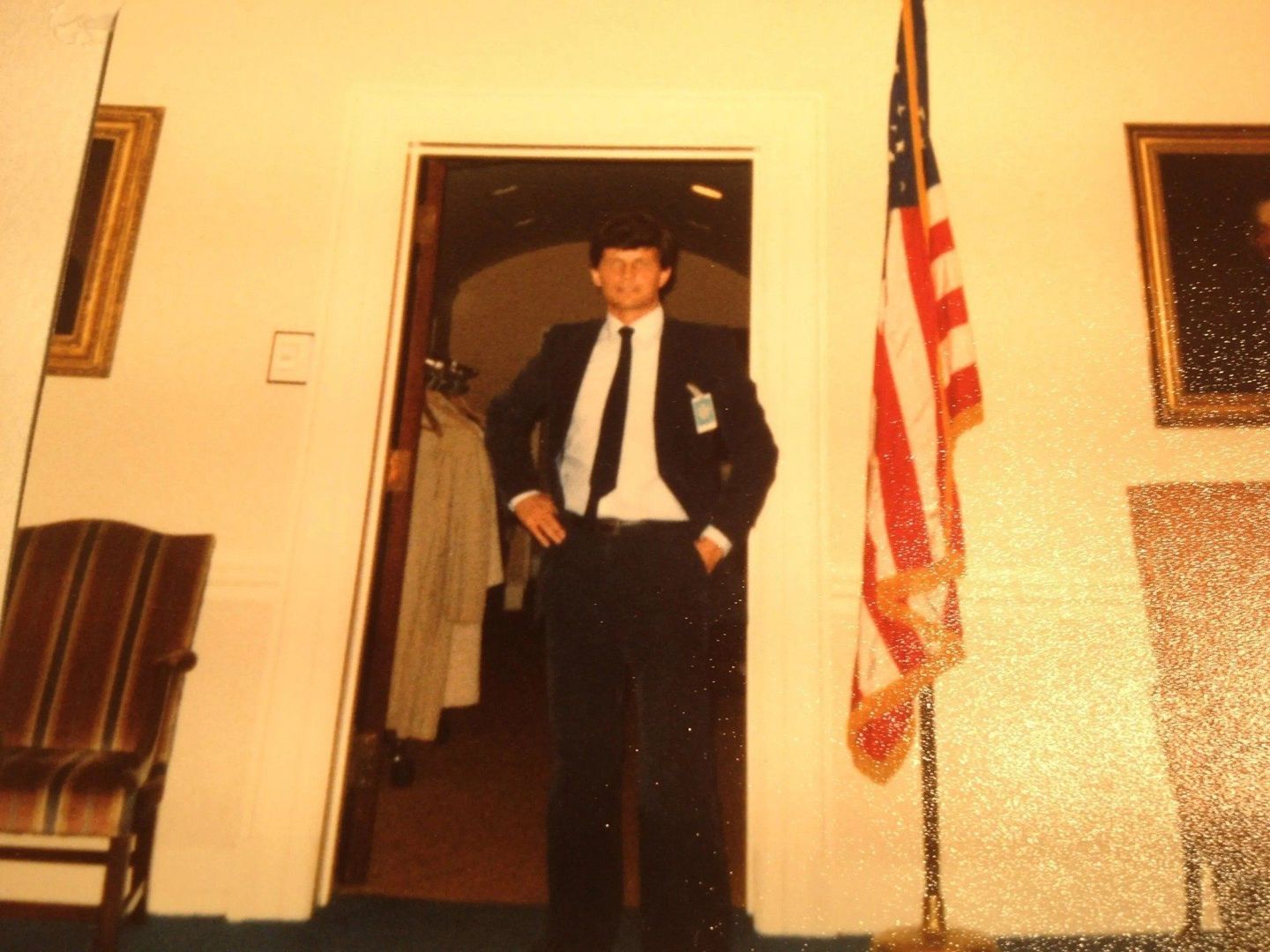
Political scientist. Earned his doctorate in 1979 at LMU Munich with a dissertation on NATO policy and armaments management. Gifted-student fellow of the Konrad Adenauer Foundation. From 1974 to 1994, advisor to the German Federal Government on NATO armaments policy and global climate policy.
Author of NATO-Rüstungsmanagement and Das Wichtigste Geheimnis der Menschheit; under the pen name Robert Kendel, author of the novel Antaris. Published in Newsweek ("My Turn," April 21, 1980), Financial Times, Die Welt, SPIEGEL, and on German national television.
The complete work
The political analysis
The unvarnished assessment: who really governs us — and with what consequences?
ReadThe pyramid of knowledge
From sub-knowledge to top-knowledge. What separates statesmanship from the mere exercise of power?
ReadThe school
Hundreds of quiz questions. Self-test. Citizen training. The most convenient university in the world.
StudyGet involved
Mrs. Christina Hangauer (Geneva) and Mr. Bastron have been carrying the bulk of the costs for years. For BEST‑POLITIC.ORG, BEST‑WORLD.ORG and POLITIC‑UNI.COM to keep growing, we are looking for supporters.